The Animals We Learn Not to See
An essay on names, familiarity and making room for animal lives beyond the ones we know.
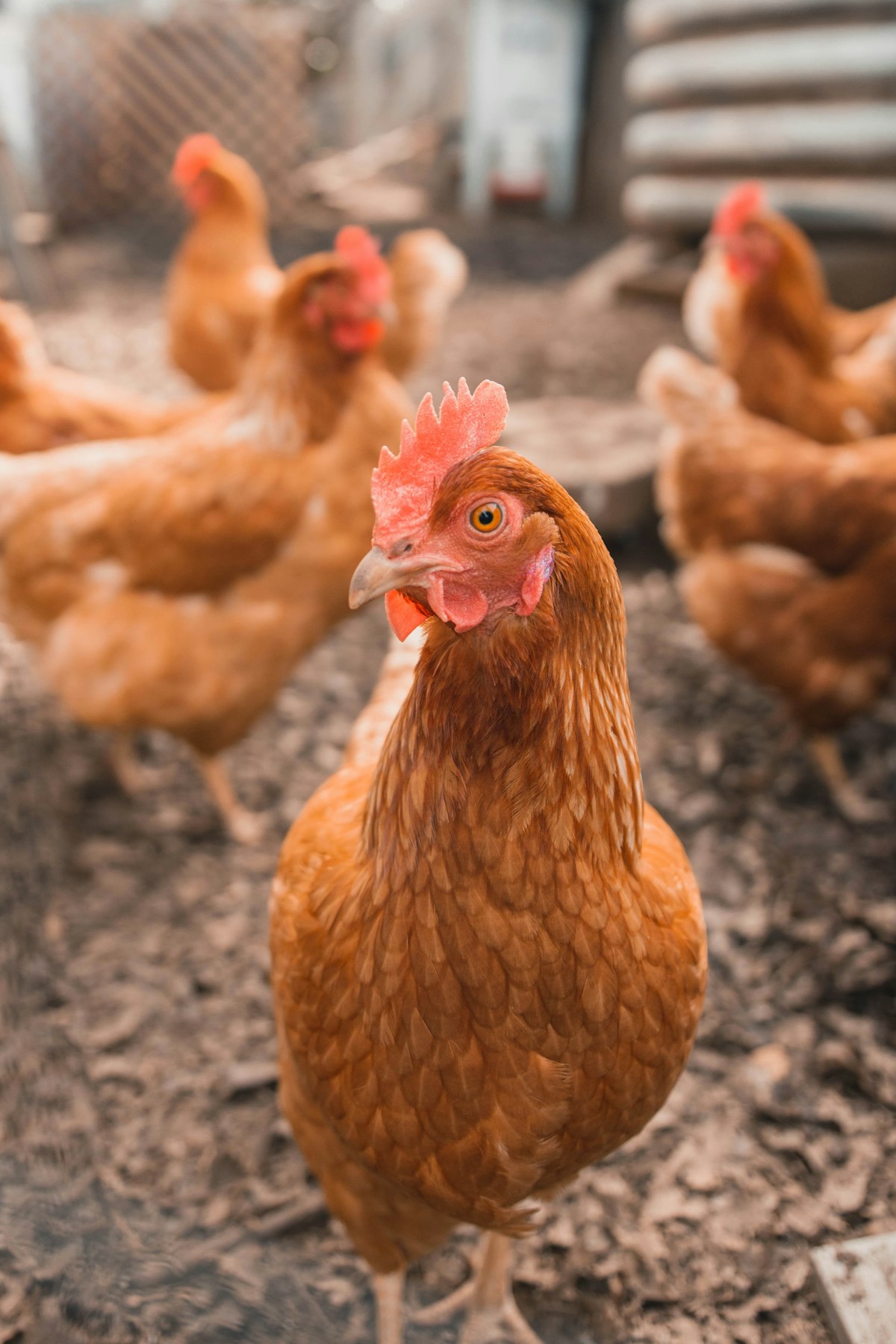
Image: Unsplash
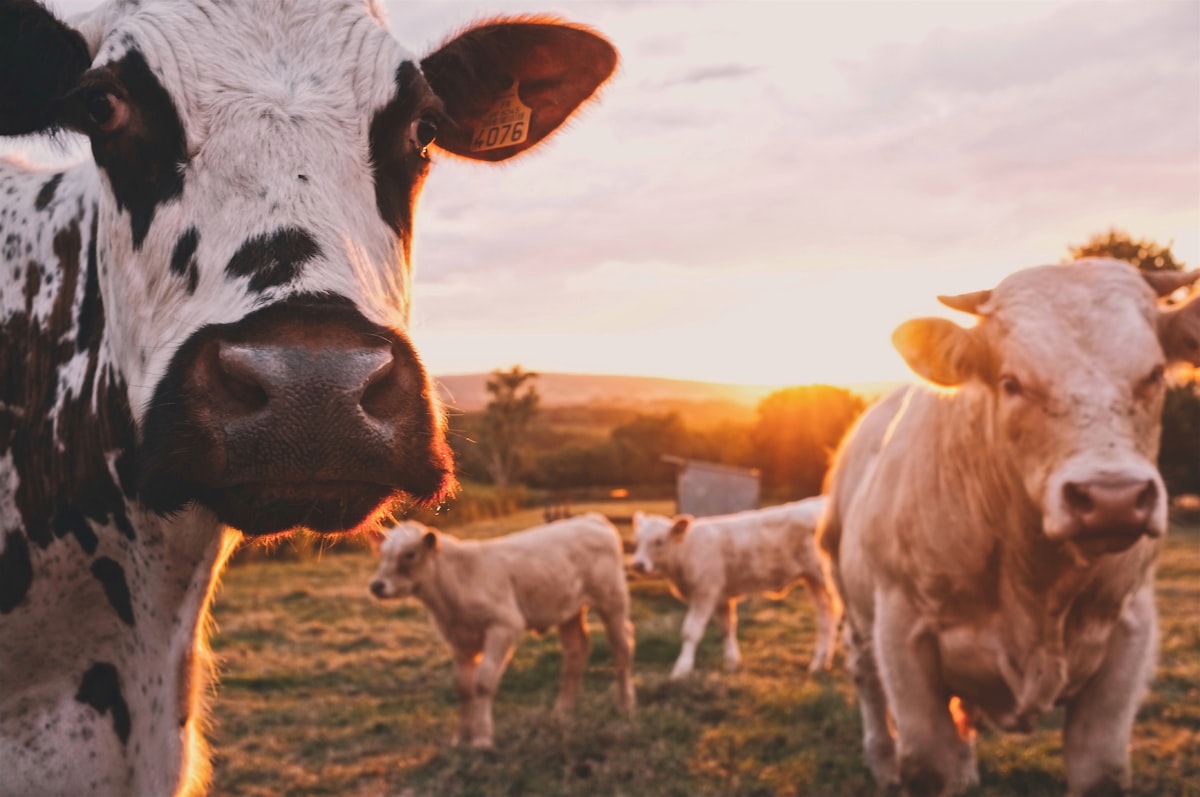
A companion animal has a name, a favourite place to sleep, and habits that someone in the household learns to recognise. An animal described as livestock is more often discussed through a category: milk, meat, yield, stock. Before we decide how to treat an animal, we have often decided how to describe them.
This is an essay about that difference. It does not begin with a rescue story or an encounter in a distant city. It begins with a familiar question: why does our attention travel so easily towards some animals and stop short of others?
What a name changes
Giving an animal a name does not create their individuality. It gives us a way to notice it. Once we distinguish one being from the next, we become more interested in preferences, relationships and the small details that make a life particular.
The difficulty is that most animals will never become familiar to us. We cannot meet every hen, fish or cow affected by the systems we use. If care depends entirely on closeness, it leaves a great many lives outside its reach.
Compassion therefore needs something beyond affection. It needs a principle that can apply when there is no photograph, no appealing story and no opportunity to know an animal personally.
The categories we inherit
Pet, pest, wildlife and farm animal are useful human labels. They describe relationships and situations. They should not become a complete account of an animal's worth.
A pigeon on a balcony may create a practical problem. A dog in a home may be deeply loved. Both situations can require judgement, boundaries and care. Describing a conflict honestly does not require treating the animal involved as disposable.
Nor does questioning familiar categories mean pretending that all animals have identical needs. Respect often starts with recognising difference. A bird, a cow and a dog should not be expected to live as though they were interchangeable, or as though a human home were the best place for every animal.
We do not have to feel the same affection for every animal to take their interests seriously.
Attention without possession
It is possible to appreciate another life without touching it, feeding it or bringing it closer. Sometimes the most considerate response is to leave space. Watching a bird from a distance can ask more of our patience than turning the moment into a photograph, but it also leaves the encounter on less demanding terms.
This matters because interest in animals can easily become a desire to make them available to us. The ethical question is not simply whether an experience feels moving. It is also what the experience requires from the animal.
Bringing the question home
One place to begin is with a single routine. Look at a meal, a purchase or a form of entertainment and ask which animal lives are present in it, even when the animals themselves are absent. Then ask whether there is a workable alternative that asks less of them.
This is not a demand to solve every moral problem before breakfast. It is an invitation to stop allowing familiarity to make every decision for us. A small change becomes meaningful when it rests on a reason we are willing to carry into the next choice.
For Nest & Grove, care begins here: with the belief that an unfamiliar life is still a life. We may never know its particular habits. We can still make room for it in our thinking.